
Leading Demolition Equipment for Commercial Projects
Review the most effective machinery and tools tailored for large-scale demolition tasks across various industries.
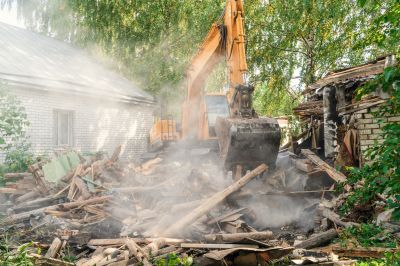 Demolition projects in Camas, WA, require a range of specialized tools and equipment to ensure safety and efficiency. From small-scale interior demolitions to large structural removals, selecting the right products can significantly impact the success of a project. Proper planning and the right tools help minimize hazards, reduce labor time, and improve overall workflow. Whether working on residential, commercial, or industrial sites, having access to quality demolition equipment is essential for professionals and DIY enthusiasts alike.
Top Overall Option
Heavy-Duty Demolition Hammer
A versatile heavy-duty demolition hammer is an essential tool for breaking through concrete, brick, and other hard materials. It offers powerful impact force, ergonomic design for reduced user fatigue, and compatibility with various chisel attachments. Ideal for both professional contractors and serious DIYers, this tool can handle a wide range of demolition tasks with precision and efficiency.
Types of Products For Demolition Service
Rotary Hammer Drills
Powerful drills designed for drilling and light demolition tasks in concrete and masonry.
Demolition Sledgehammers
Heavy tools used for breaking up concrete, asphalt, and other tough materials.
Reciprocating Saws
Versatile saws suitable for cutting through wood, metal, and drywall during demolition.
Concrete Crack Chisels
Specialized chisels for creating controlled cracks in concrete surfaces.
Hydraulic Breakers
Powerful attachments for excavators used to demolish large structures and foundations.
Dust Extraction Systems
Equipment designed to reduce dust and debris during demolition activities.
Safety Gear and Protective Equipment
Helmets, goggles, gloves, and respirators essential for safe demolition work.
Hand Tools (Crowbars, Pry Bars)
Manual tools for prying and removing materials in smaller demolition tasks.
Wire and Metal Cutters
Tools for cutting through rebar, wire mesh, and metal fixtures.
Lifting and Moving Equipment
Dollies, hoists, and straps for handling heavy debris and materials.
Wheelbarrows and Dump Carts
For efficient debris removal and transportation on site.
Vacuum and Debris Collection Systems
Systems to collect dust and small debris during demolition.
Concrete and Masonry Saws
Power saws designed for cutting concrete, brick, and stone.
Air Compressors
Provide power for pneumatic tools used in demolition tasks.
Extension Cords and Power Strips
Ensure reliable power supply for electric demolition tools.
Popular Choices
Portable and convenient for quick cuts in various materials.
Widely used for breaking concrete with ease and reduced fatigue.
Require air compressors and are favored for their power in heavy demolition.
Ideal for precise cuts in masonry and concrete surfaces.
Essential manual tools for prying apart materials and removing fixtures.
Critical safety items to protect against airborne debris.
Protect hands during manual demolition activities.
Facilitate debris collection and transportation on-site.
Versatile tools for breaking concrete and asphalt efficiently.
Used for quick, precise cuts in metal and masonry.
Provide head and face protection during demolition.
Reduce hand fatigue and vibration exposure.
Allow for reach in high or difficult areas.
For transporting debris efficiently around the site.
Improve air quality during enclosed demolition tasks.
Assist in breaking up and consolidating concrete during demolition.
Understanding the scope of your demolition task is key to choosing appropriate products. For example, breaking through concrete requires heavy-duty tools capable of handling tough materials, while interior tearing down drywall may only need lighter, more precise equipment. Safety gear and accessories are equally important to protect workers from debris, dust, and potential hazards. Investing in reliable, durable, and versatile demolition products can make a significant difference in project outcomes.
In Camas, WA, local contractors and homeowners often seek tools that can withstand the rigors of frequent use and challenging job sites. The right equipment not only enhances safety but also improves efficiency, allowing for smoother project execution. It is advisable to evaluate product features carefully, considering factors such as power source, size, weight, and compatibility with other tools. Proper maintenance and usage instructions further extend the lifespan of demolition equipment, ensuring ongoing performance and safety.
Choosing the right products for demolition service involves balancing budget considerations with quality and functionality. By selecting versatile and reliable tools, users can tackle a variety of demolition tasks with confidence. Remember, the goal is to complete projects safely, efficiently, and effectively, making the right equipment an indispensable part of any demolition toolkit.
Key Buying Considerations
- Assess the scope of your demolition project to select appropriately powered tools.
- Prioritize safety features and protective gear to ensure worker safety.
- Consider the weight and ergonomics of tools for ease of use over extended periods.
- Check compatibility of attachments and accessories for versatility.
- Evaluate power source options such as electric, pneumatic, or battery-powered tools.
- Review durability and build quality to withstand tough demolition environments.
- Determine the availability of replacement parts and service support.
- Consider noise levels and vibration to minimize fatigue and disturbance.
- Estimate the size and reach of tools for working in confined or elevated spaces.
- Balance budget constraints with the need for reliable, high-performance equipment.
- Look for tools with safety certifications and compliance with industry standards.
- Factor in debris management solutions to streamline cleanup processes.
- Evaluate the ease of maintenance and cleaning for prolonged tool lifespan.
- Ensure proper training and usage instructions are available for complex equipment.
- Plan for storage solutions to keep tools organized and protected.